Painting, one of the oldest forms of artistic expression, has found new paths of development in the digital age. Far from replacing traditional media, technology has opened up unprecedented creative possibilities, redefining what we understand as “painting” and expanding the limits of its practice, distribution, and reception.
Digital Tools and Creative Software
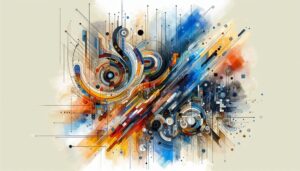
One of the most significant changes in contemporary painting is the shift from the physical canvas to the screen. Programs such as Adobe Photoshop, Corel Painter, Procreate, Krita, and Clip Studio Paint, among many others, have democratized access to advanced techniques, allowing artists around the world to experiment with layers, digital brushes, simulated textures, color blending, lighting effects, and other features impossible to replicate in traditional media.
These tools not only make it possible to create works from scratch, but also to combine digital painting with photography, 3D illustration, or animation, generating hybrid works that transcend genres. In addition, their accessibility has fueled the rise of new generations of self-taught artists who learn, share, and make a living from art without the need for traditional intermediaries.
NFTs and Painting in the Blockchain Environment
The emergence of NFT (Non-Fungible Token) art has brought about a revolution for digital painting. Through blockchain technology, digital artworks can now be certified as unique, traceable, and sold as digital assets, granting ownership value to an intangible creation. This has profoundly transformed the economy of contemporary art.
Thanks to platforms such as OpenSea, Foundation, SuperRare, or Rarible, many digital artists have managed to monetize their work in previously unthinkable ways, reaching global audiences and participating in a more decentralized and direct economy. In this context, digital painting is no longer only exhibited: it is collected, traded, and auctioned in virtual environments.
Painting on Social Media: New Audiences and Formats
Another key phenomenon in the digital age is the relationship between painting and social media. Platforms such as Instagram, TikTok, YouTube, or Pinterest have become essential showcases for today’s painters. They not only display finished works, but also creative processes, tutorials, and artistic lifestyles.
This massive visibility has transformed the format of artworks: many paintings are now created with how they will look in an Instagram grid or as part of a timelapse video in mind. Social networks have also encouraged more immediate, shareable, and viral styles, giving rise to new creative communities and fostering direct interaction between artists and audiences.
Moreover, this context has led to greater democratization of art, allowing painting to move beyond museums or galleries and reach millions of people on their mobile devices.
A New Age for Painting
The digital age has not replaced traditional painting, but it has expanded its reach, redefined its rules, and multiplied its forms. Digital tools, virtual environments such as blockchain, and social platforms have created a dynamic and constantly evolving artistic ecosystem in which painting coexists with other disciplines and engages with global audiences.
In this new scenario, painting continues to be what it has always been: a powerful visual language capable of moving us, provoking us, and connecting us. Only now, its canvas is the digital world.